Codebelt

An opinionated SDLC ecosystem
rooted in .NET

Codebelt connects .NET libraries, executable tools, and agentic skills under one repeatable standard. Libraries give applications reusable foundations. Tools provide repeatable engineering infrastructure. Skills give AI agents a reliable way to inspect, edit, test, document, and ship.

Codebelt .NET ecosystem visualization connecting libraries, tooling, and delivery practices. Codebelt .NET ecosystem visualization connecting libraries, tooling, and delivery practices.

Grouped by work. Unified by standard.

Codebelt is organized around jobs that shape a software delivery lifecycle: foundations, architecture, applications, testing, build and delivery, releases, documentation, and repository health.

Libraries provide reusable application foundations. Tools package repeatable engineering infrastructure. Skills capture repeatable engineering practices so developers and agents can keep the same standard without rediscovering the workflow every time.

Fresh from the workbench.

LIBRARIES

Consider Disposable for Explicit Cleanup

Cuemon.Kernel offers an opt-in Disposable base class with explicit managed and unmanaged cleanup hooks. Consider it when shared lifecycle code can reduce implementation mistakes, and understand how AsyncDisposable in Cuemon.Extensions.Core extends the approach while preserving Kernel's dependency boundary.

Read the update
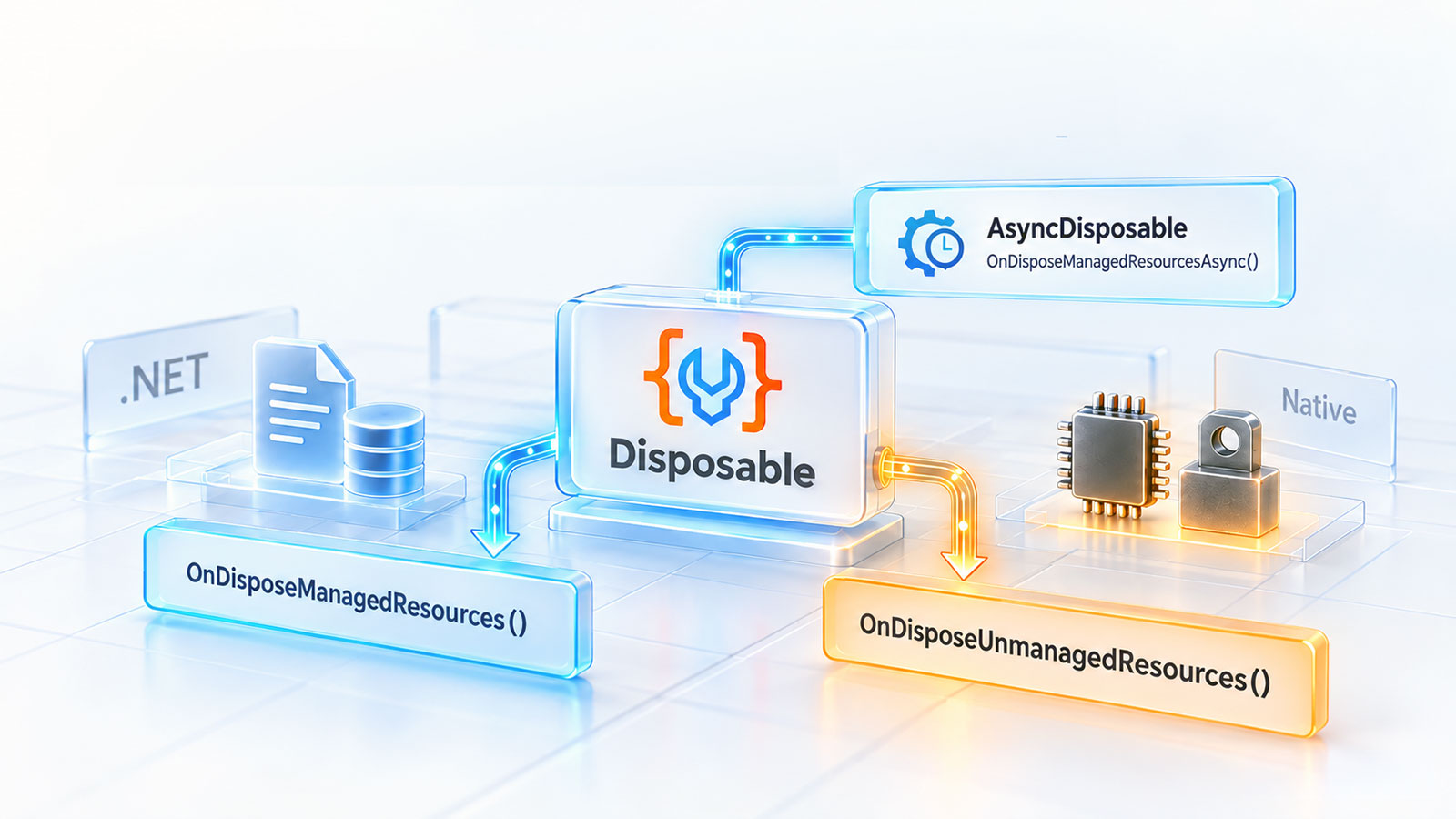
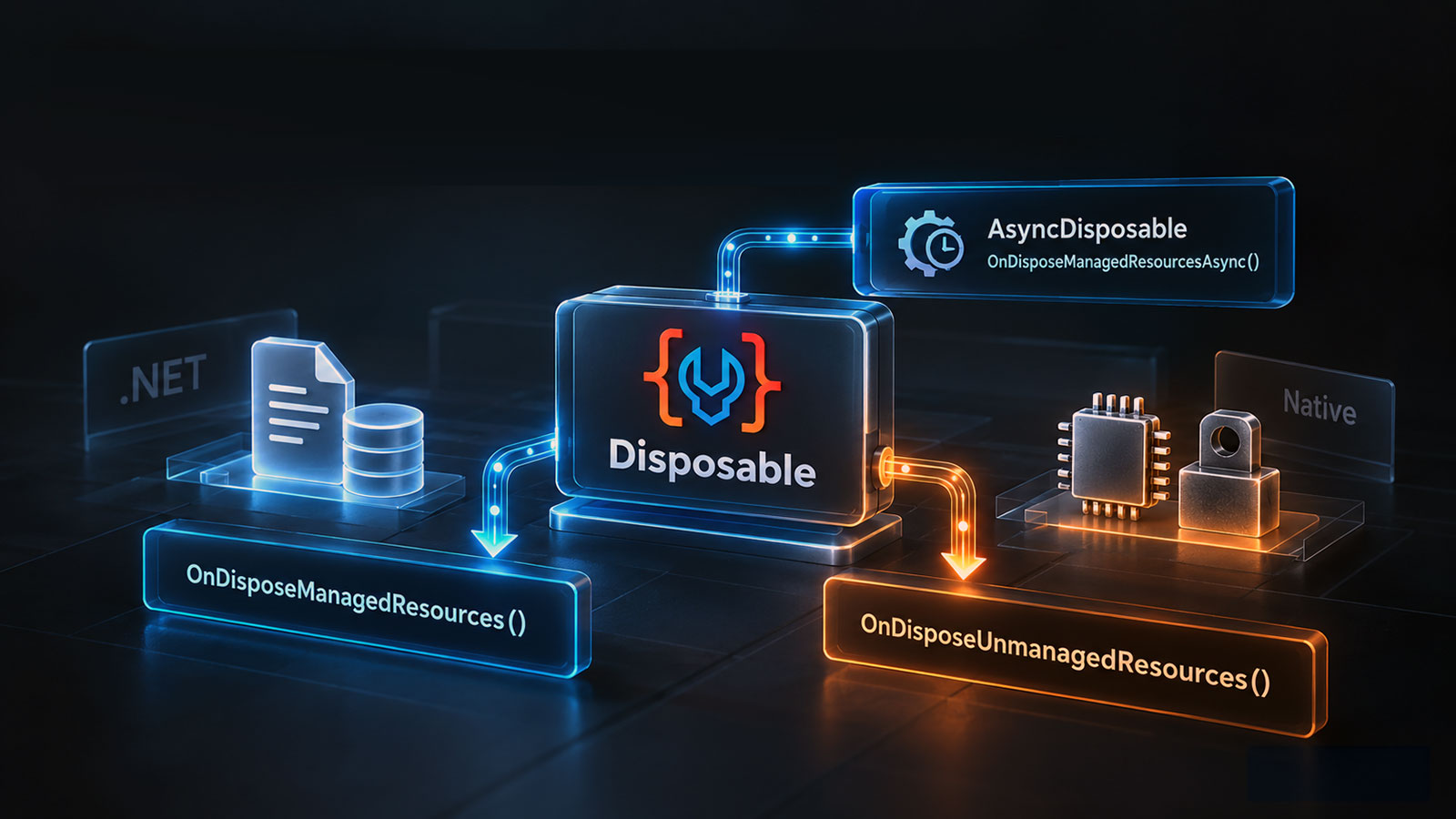
Separate managed and unmanaged resource cleanup paths controlled by one disposal lifecycle.Separate managed and unmanaged resource cleanup paths controlled by one disposal lifecycle.
LIBRARIES

Hidden Gems in Plain Sight

Cuemon.Kernel contains small helpers that are easy to overlook. A closer look at Patterns reveals reusable configuration delegates, explicit options translation, disposal during failed initialization, and exception filters with boundaries worth understanding.

Read the update
Small Cuemon utility components revealed beneath a familiar .NET API surface.Small Cuemon utility components revealed beneath a familiar .NET API surface.
LIBRARIES

Options Pattern Beyond ASP.NET Core

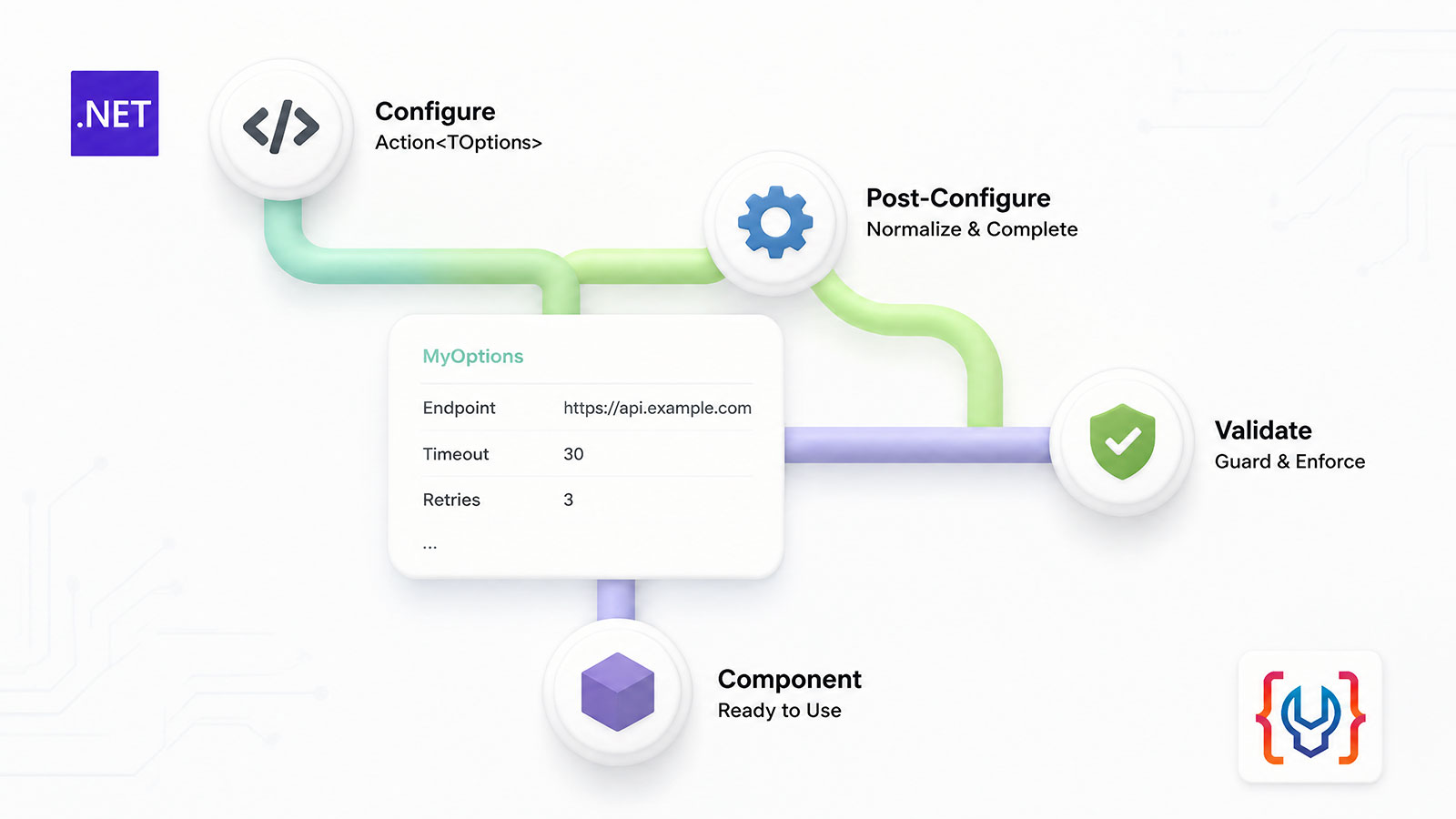
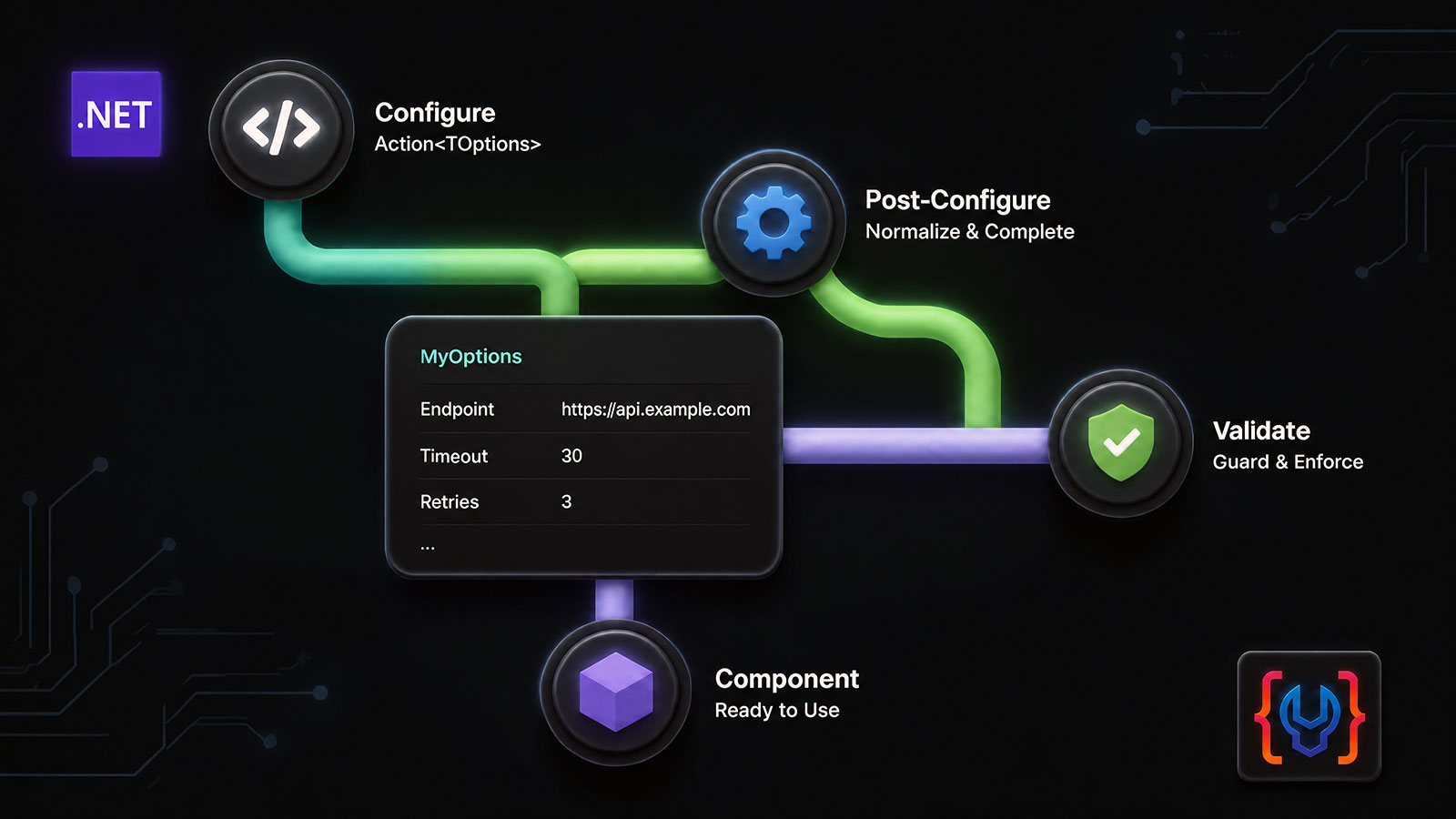
Cuemon.Kernel carries the Options Pattern out of ASP.NET Core and into ordinary .NET types with parameter-object contracts, Patterns.Configure, and Validator guards that post-configure, validate, and enforce state without requiring IOptions<TOptions> or a DI container.

Read the update
Cuemon options pipeline showing a configuration delegate flowing through post-configuration and validation into a reusable .NET component.Cuemon options pipeline showing a configuration delegate flowing through post-configuration and validation into a reusable .NET component.
LIBRARIES

A Unified Cryptographic Hash Hierarchy for .NET

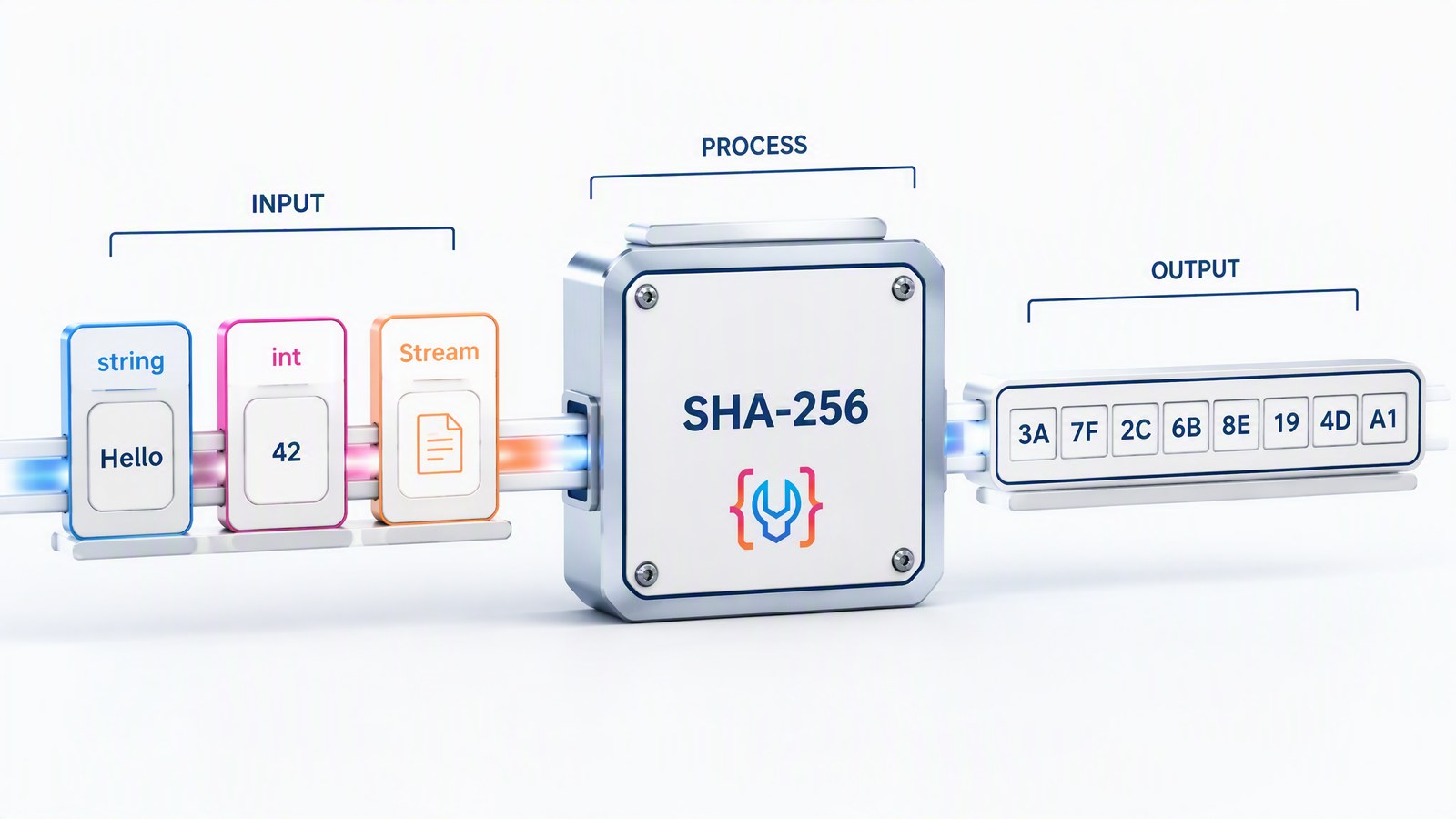
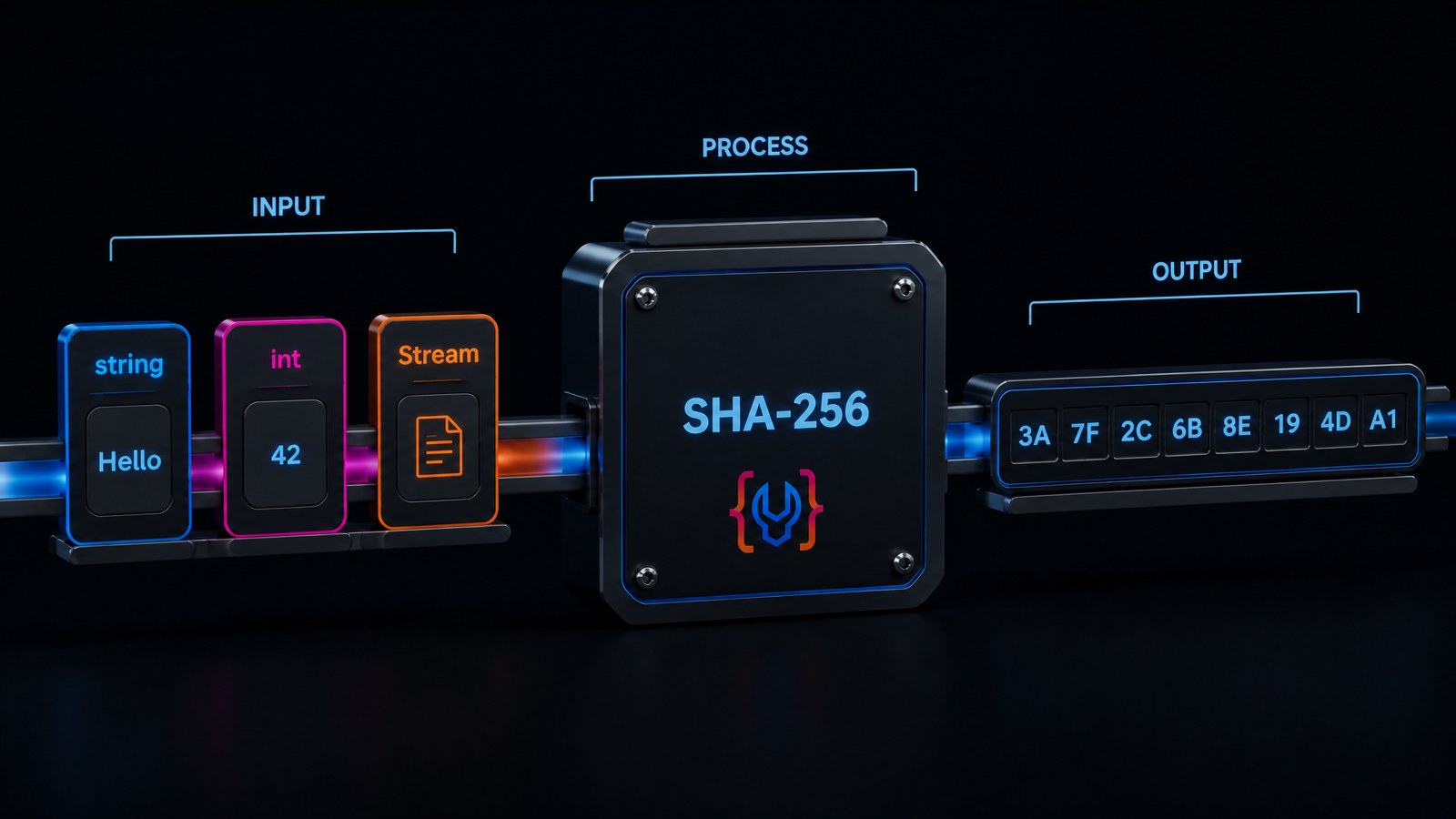
Cuemon.Security.Cryptography brings MD5, SHA-1, SHA-256, SHA-384, SHA-512, SHA-512/256, and their HMAC counterparts under one polymorphic API. Typed inputs flow through a consistent ComputeHash surface and return a HashResult ready for hexadecimal, base64, URL-safe base64, or binary output - reducing boilerplate without replacing the cryptographic foundations provided by .NET.

Read the update
Cuemon cryptographic hash pipeline showing typed inputs feeding a unified digest core that emits a fixed-length hash.Cuemon cryptographic hash pipeline showing typed inputs feeding a unified digest core that emits a fixed-length hash.
LIBRARIES

Unified Functional Testing for .NET

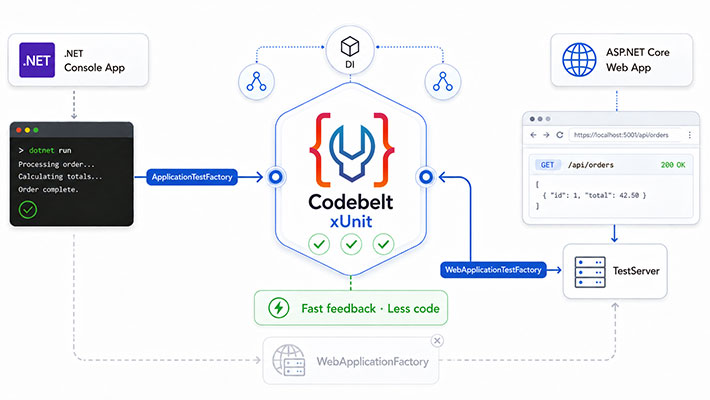
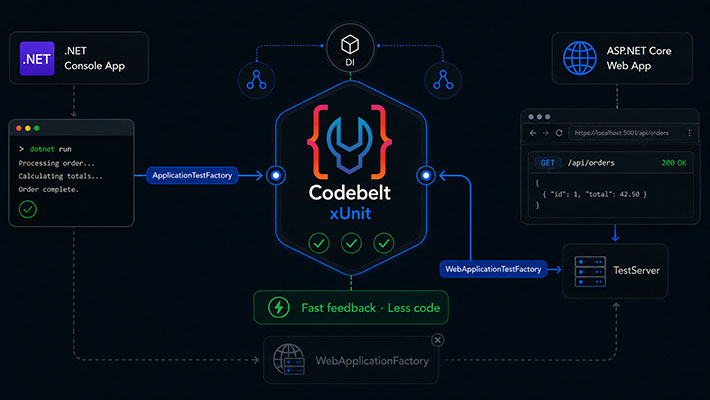
Extensions for xUnit API makes it more convenient to use either ApplicationTestFactory.Create<TEntryPoint>(...) for .NET applications or WebApplicationTestFactory.Create<TEntryPoint>(...) for ASP.NET Core applications; surpassing the official WebApplicationFactory<TEntryPoint> class in terms of flexibility and ease of use.

Read the update
Codebelt ecosystem card for application test factory support.Codebelt ecosystem card for application test factory support.